

Self publishing has transformed the Indian publishing industry over the last decade. Today, aspiring writers no longer need to wait for traditional publishing houses to approve their manuscripts. With the rise of digital publishing platforms, print-on-demand technology, and online bookstores, authors can now self publish novels in India and reach readers across the world. Whether you are a first-time novelist or an experienced writer looking for more creative control, self publishing offers flexibility, ownership, and higher royalty opportunities.
Traditional publishing can be highly competitive and time-consuming. Many talented writers face repeated rejections before finding a publisher willing to invest in their work. Self publishing removes those barriers and gives authors the power to publish on their own terms. Platforms like Amazon Kindle Direct Publishing, Google Books, and Indian self publishing companies have made the process easier than ever before.
Understanding how to self publish novels successfully requires more than simply uploading a manuscript online. Authors need professional editing, attractive cover design, proper formatting, ISBN registration, distribution strategies, and effective book marketing techniques. In this complete guide, you will learn every essential step required to publish your novel successfully in India.
What Does It Mean to Self Publish Novels?
Self publishing means publishing a book independently without relying on a traditional publishing company. The author controls the entire publishing process, including editing, cover design, formatting, pricing, distribution, and marketing. Unlike traditional publishing, where publishers retain significant rights and royalties, self publishing allows writers to keep full ownership of their work.
When authors self publish novels, they become both the creator and publisher of the book. This model has become increasingly popular because it offers faster publishing timelines, better royalty percentages, and direct access to readers. Indian authors are now embracing independent publishing because online platforms have reduced printing and distribution costs significantly.
Another major advantage of self publish novel is creative freedom. Authors can decide the title, cover design, writing style, and publishing schedule without external interference. This flexibility is particularly useful for fiction writers who want to experiment with genres or build niche audiences.

Why Self Publishing Is Growing in India
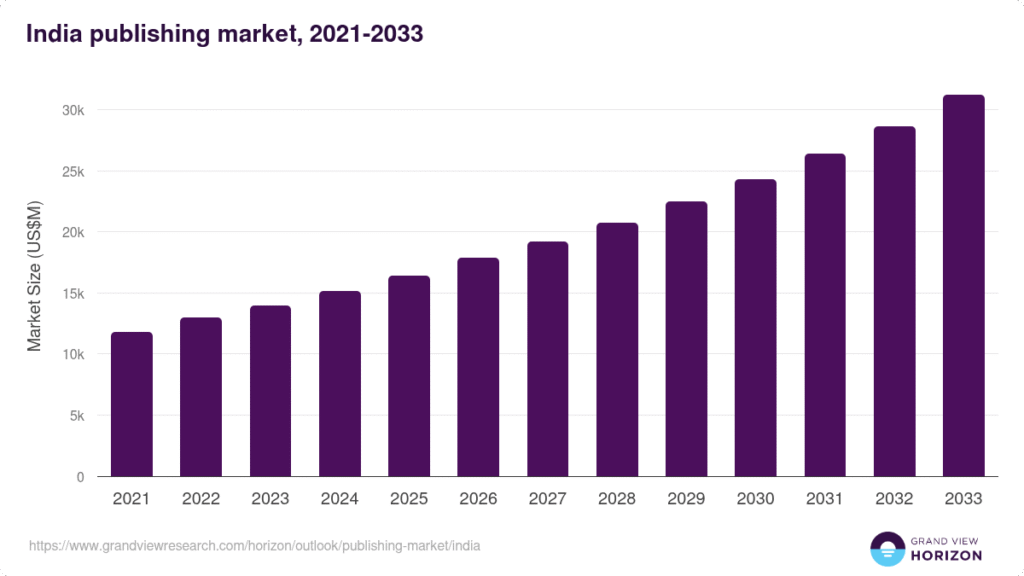
The self publishing industry in India has grown rapidly because of increasing internet penetration, smartphone usage, and digital reading habits. Readers now prefer ebooks and online bookstores, making it easier for independent authors to distribute their novels nationwide and globally.
Amazon Kindle has played a significant role in popularizing ebook publishing in India. Writers can upload their novels digitally and start selling within a few hours. Print-on-demand services have also reduced the financial risk associated with bulk printing. Authors no longer need to invest heavily in inventory because books are printed only when customers place orders.
Social media platforms have further contributed to this growth. Writers can build personal brands, interact directly with readers, and market books independently. Indian authors are increasingly using Instagram, YouTube, Facebook, and Goodreads to promote their novels and connect with audiences.
According to publishing industry reports and digital reading trends, independent publishing is expected to continue growing in India over the next several years. More writers are choosing self publishing because it offers accessibility, affordability, and global reach.
Step 1: Complete Your Novel and Edit It Professionally
Before publishing your book, it is essential to complete the manuscript carefully and revise it multiple times. Many first-time authors rush to publish without proper editing, which can negatively impact reader reviews and credibility.
Professional editing improves grammar, sentence structure, clarity, pacing, and storytelling quality. Authors should consider hiring developmental editors, copy editors, and proofreaders to polish the manuscript thoroughly. Even the best story can fail if the writing contains grammatical mistakes or inconsistent formatting.
Tools like Grammarly and Hemingway Editor can help identify readability issues and grammar errors, but professional human editing remains essential for fiction writing. Beta readers also provide valuable feedback by identifying weak plot points or character inconsistencies before publication.
Step 2: Design an Attractive Book Cover
Your book cover is one of the most important marketing tools for your novel. Readers often judge books based on cover design before reading the description. A professionally designed cover increases credibility and improves click-through rates on online bookstores.
Different genres require different cover styles. Romance novels usually use emotional imagery and elegant typography, while thriller novels often feature dark colors and suspenseful visuals. Understanding genre expectations helps authors create covers that attract the right audience.
Many Indian authors hire freelance designers from platforms like Fiverr or Upwork. Tools like Canva and Adobe Express also provide beginner-friendly templates for authors who want to design covers independently.
Step 3: Format Your Manuscript Correctly
Book formatting is a critical part of the self publishing process. Poor formatting can create a negative reading experience and reduce sales. Authors must ensure that the manuscript is properly formatted for both ebooks and printed books.
Ebook formatting usually requires EPUB or Kindle-compatible files, while paperback publishing requires print-ready PDF formatting. Proper margins, line spacing, chapter alignment, and typography improve readability significantly.
Many authors use tools like Kindle Create, Atticus, or Vellum to simplify formatting. Professional formatting services are also available for writers who prefer expert assistance.
Step 4: Apply for ISBN Registration in India
An ISBN (International Standard Book Number) is a unique identification number assigned to books, helping bookstores, distributors, libraries, and online retailers identify, catalog, and manage publications efficiently.
In India, authors can obtain a free ISBN through the Raja Rammohun Roy National Agency for ISBN by submitting the required identification documents and publication details. Additionally, publishing service providers such as AGPH Books assist authors with the ISBN application process as part of their book publishing services, making it easier to obtain an ISBN and prepare books for distribution.
While some ebook publishing platforms do not require an ISBN, obtaining one is strongly recommended for professional publishing, enhanced discoverability, and wider distribution across domestic and international markets.
Step 5: Choose the Right Self Publishing Platform
Choosing the right platform is essential for successful book publishing. Different platforms offer varying royalty structures, distribution networks, and marketing features.
Amazon Kindle Direct Publishing is one of the most popular options because it provides global distribution, ebook and paperback publishing, and competitive royalty rates. Indian platforms like AGPH and Pothi focus more on regional distribution and local printing support.
Authors should compare platform features carefully before deciding where to self publish novels. Factors such as royalties, pricing flexibility, distribution reach, and customer support should influence the final decision.
Step 6: Upload and Publish Your Novel Online
After formatting and cover design are complete, authors can upload their novels to publishing platforms. During this stage, metadata optimization becomes extremely important for SEO and discoverability.
Authors should write compelling book descriptions that include relevant keywords naturally. Choosing the right categories and keywords improves visibility on Amazon and other online marketplaces.
Pricing strategy also affects sales performance. New authors often use introductory pricing to attract early readers and generate reviews. Competitive pricing can help improve rankings and discoverability in crowded genres.
Step 7: Print Physical Copies of Your Novel
Many readers still prefer physical books, especially in India. Authors can choose between print-on-demand services and bulk printing options depending on their budget and sales expectations.
Print-on-demand reduces financial risk because books are printed only after orders are placed. Bulk printing may lower per-unit costs but requires inventory storage and upfront investment.
Authors should pay attention to paper quality, trim size, binding type, and printing specifications to ensure professional-quality physical books.
Step 8: Distribute Your Book Across Multiple Platforms
Successful authors maximize visibility by distributing books across several platforms. In addition to Amazon, authors should consider Google Play Books, Kobo, Apple Books, and local Indian bookstores.
Wide distribution increases audience reach and improves long-term sales potential. Authors should also explore audiobook publishing because audio content consumption is increasing rapidly in India.

External Resources: https://publishdrive.com/book-distribution-services.html
Step 9: Market and Promote Your Novel
Publishing a novel is only the beginning. Effective marketing determines whether readers discover your book. Authors must actively promote their novels through social media, email marketing, influencer collaborations, and book review platforms.
Building an author brand is essential for long-term success. Writers should maintain consistent branding across websites, social media profiles, and book covers. Goodreads promotions, blog interviews, and reader communities can also improve visibility.
Email marketing remains one of the most effective strategies for retaining readers and promoting future book launches. Authors should gradually build mailing lists and communicate regularly with subscribers.
Cost of Self Publishing Novels in India
The cost of self publishing novels varies depending on editing quality, cover design complexity, formatting requirements, and marketing investment. Some authors publish books with minimal budgets, while others invest heavily in professional services.
Editing can cost anywhere between ₹5,000 and ₹50,000 depending on manuscript length and editor expertise. Cover design typically ranges from ₹2,000 to ₹20,000. Formatting, ISBN registration, and marketing expenses also contribute to the overall budget.
Although self publishing requires upfront investment, higher royalty percentages can help authors recover costs over time.
Common Mistakes First-Time Authors Should Avoid
Many first-time authors make avoidable mistakes that affect book performance. Skipping professional editing is one of the biggest errors because readers quickly notice poor writing quality. Weak cover design, poor formatting, and inadequate marketing also reduce sales potential.
Some authors ignore keyword optimization while publishing online. Proper metadata, book descriptions, and category selection are essential for discoverability. Pricing mistakes can also impact conversions negatively.
Authors should approach self publishing novel professionally and focus on quality at every stage.
Conclusion
The opportunity to self publish novels in India has never been greater. Digital publishing platforms, print-on-demand technology, and online bookstores have empowered writers to publish independently and build global audiences. While the process requires careful planning and investment, self publishing novels offers creative freedom, higher royalties, and long-term growth opportunities.
Success in self publishing depends on quality writing, professional editing, attractive cover design, strategic distribution, and consistent marketing efforts. Authors who treat publishing as a serious business are more likely to build sustainable writing careers.
If you are ready to publish your novel, begin by refining your manuscript, securing an ISBN, choosing the right publishing platform, and developing a strong marketing strategy. With patience and persistence, your novel can reach readers across India and beyond.