

Key Takeaways
- Publish your book globally through digital platforms
- Reach readers worldwide without geographical limits
- Increase visibility across major online bookstores
- Distribute on Amazon, Apple Books, Google Play, and more
- Expand academic and professional credibility
- Make your content accessible 24/7
- Boost discoverability through global distribution networks
- Generate higher engagement, downloads, and citations
- Build long-term author authority and brand recognition
- Digital publishing offers faster and cost-effective distribution
In today’s rapidly evolving education system, academic textbook publishing has become more important than ever. Universities, colleges, and online learning platforms constantly require updated educational content that aligns with changing curriculum,industry practices, and research developments. Professors are no longer limited to classroom teaching alone. By publishing textbooks, they can influence education globally, strengthen their professional reputation, and contribute meaningful academic resources to future generations.
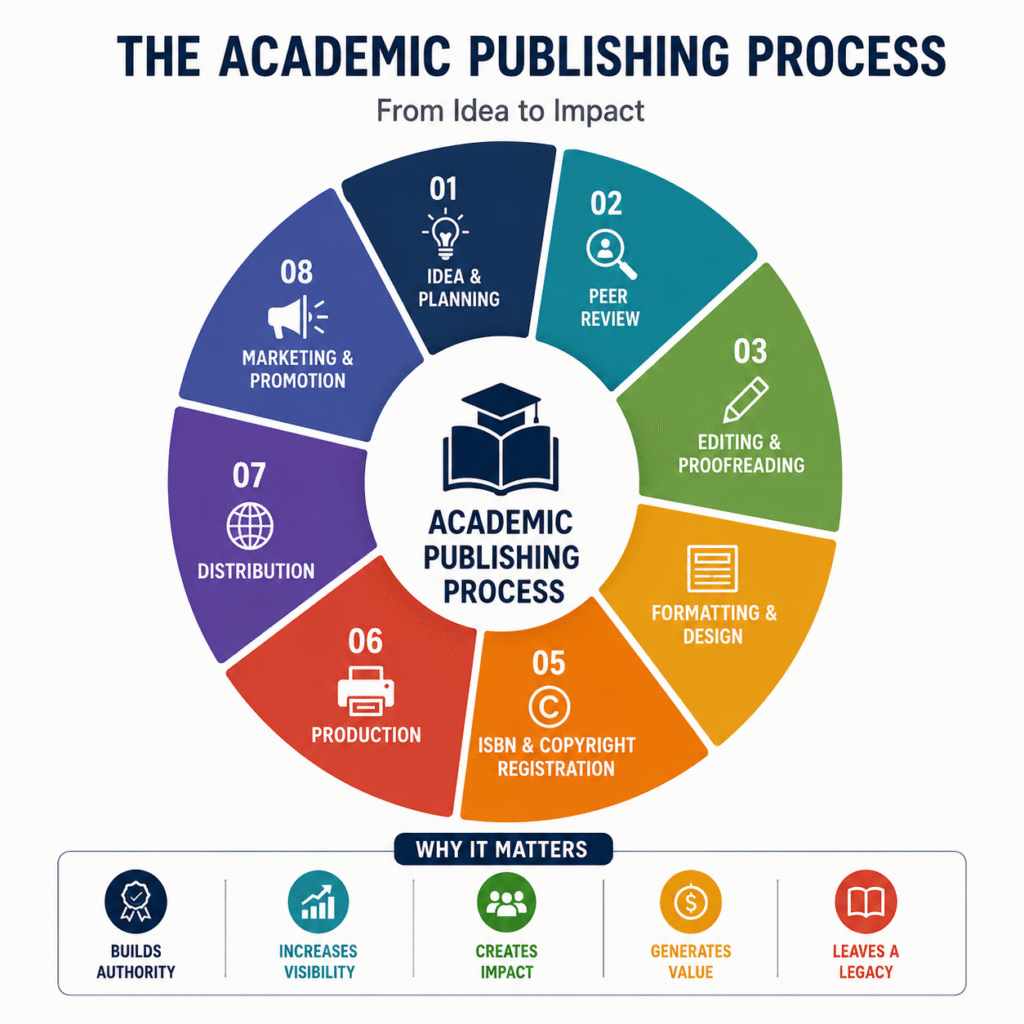
The academic publishing industry has transformed significantly over the last decade. Digital learning, open-access education, online libraries, and global distribution networks have made it easier for professors to publish and distribute textbooks internationally. According to research on academic publishing processes, modern publishing now combines peer review, copy editing, typesetting, digital production, and global online distribution into an integrated workflow.
For many professors, however, the publishing journey still feels complex. Questions about ISBN registration, formatting standards, editing requirements, printing options, and marketing strategies often create uncertainty. Understanding the complete process of academic textbook publishing helps educators avoid common mistakes and publish professionally with confidence.
Research Insights on Professors and Academic Publishing
Academic publishing has grown rapidly over the years, creating major opportunities for professors and researchers worldwide. The number of university researchers increased from nearly 4 million in 1980 to more than 13 million by 2018, significantly increasing the demand for educational content and textbooks.
The academic publishing industry is now valued at over USD 34 billion, driven by digital learning, eBooks, and online education platforms. Research shows that professors who publish regularly often gain stronger academic recognition, better career opportunities, research grants, and institutional credibility.
Digital platforms like Google Scholar, Academia.edu, and Amazon Kindle have made global distribution easier, allowing professors to reach students and researchers worldwide. Studies also suggest that textbooks often create greater long-term educational impact than journal articles because they are widely used in classrooms and universities.
Modern professors are increasingly choosing self-publishing and digital publishing models for greater flexibility, faster publishing timelines, and higher royalties. As online learning continues to expand, academic publishing is becoming one of the most effective ways for professors to build authority, share knowledge globally, and strengthen their academic influence.
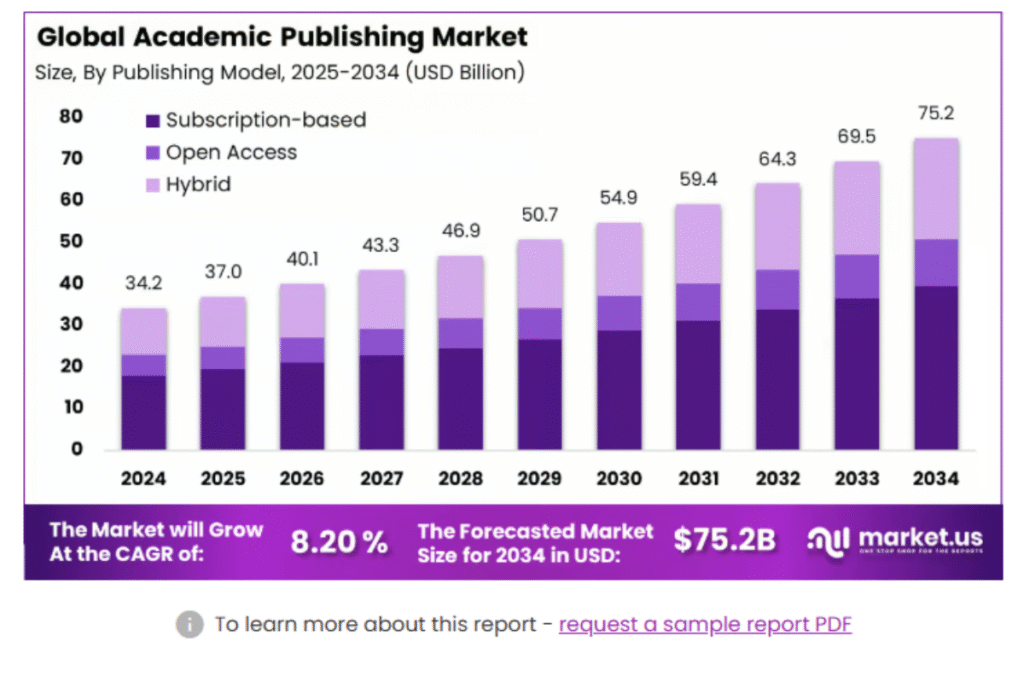
Source link- https://market.us/report/academic-publishing-market
Understanding Academic Textbook Publishing
Academic publishing differs greatly from commercial publishing. Educational books are created primarily for structured learning, curriculum support, and research purposes. They require accuracy, references, academic formatting, and subject expertise. Academic publications are commonly used in universities, professional institutes, research organizations, and digital learning environments.
A professor may publish different types of academic content, including textbooks, research monographs, laboratory manuals, reference books, edited volumes, scholarly guides, and e-learning materials. Edited academic volumes, for example, often combine chapters written by multiple contributors under a common research theme.
The demand for educational publishing continues to rise because students increasingly seek updated, practical, and easy-to-understand learning resources. Traditional textbooks are now being complemented by digital editions, interactive learning tools, and online repositories. Platforms like Academia.edu and Google Scholar have also increased the visibility of academic authors and research-based educational content.
Professional support from AGPH Books Academic Publishing Services helps professors transform academic manuscripts into professionally published textbooks suitable for both print and digital distribution.
Why Professors Should Publish Academic Textbooks
Publishing a textbook is not just about authorship it is about creating long-term educational impact. Professors who publish textbooks often gain stronger academic recognition because published work demonstrates expertise, subject authority, and research contribution.
Academic textbooks also help bridge learning gaps. Many educators notice that existing books fail to explain modern concepts clearly or do not align with updated university syllabus. Writing a customized textbook allows professors to simplify complex theories, add real-world examples, and improve student engagement.
Another important advantage of academic textbook publishing is professional growth. Published professors are frequently invited to conferences, seminars, research collaborations, and institutional projects. Their books become part of university libraries, digital repositories, and academic discussions.
Financial benefits also exist. Academic books can generate long-term royalty income through printed sales, e-book distribution, institutional licensing, and global online marketplaces such as Amazon Kindle Direct Publishing and Ingram Content Group.
The Academic Publishing Process
The publishing process begins with selecting a relevant and research-driven topic. A successful academic textbook should solve educational challenges, support curriculum requirements, and provide updated knowledge relevant to students and researchers.
Once the topic is finalized, professors must organize their manuscript carefully. Academic books require clear chapters, structured headings, references, citations, diagrams, case studies, and assessment sections. Readability is especially important because students prefer textbooks that explain difficult concepts in a simple and engaging way.
Editing is one of the most critical stages in academic textbook publishing. Academic editing ensures clarity, grammatical accuracy, citation consistency, and structural coherence. According to publishing process studies, modern academic publishing involves several production stages including copy editing, proofreading, typesetting, and correction cycles before final publication.
Professional editing services from AGPH Book Editing Services help academic authors improve manuscript quality while maintaining educational accuracy.
Formatting is equally important. Academic textbooks must follow standardized layouts and citation styles such as APA, MLA, or Chicago. Proper formatting improves readability and academic credibility. Tables, figures, references, indexing, and typography should remain consistent throughout the book.
Professors can improve publication quality through AGPH Book Formatting Services, which support professional textbook layout and typesetting.
Importance of ISBN Registration
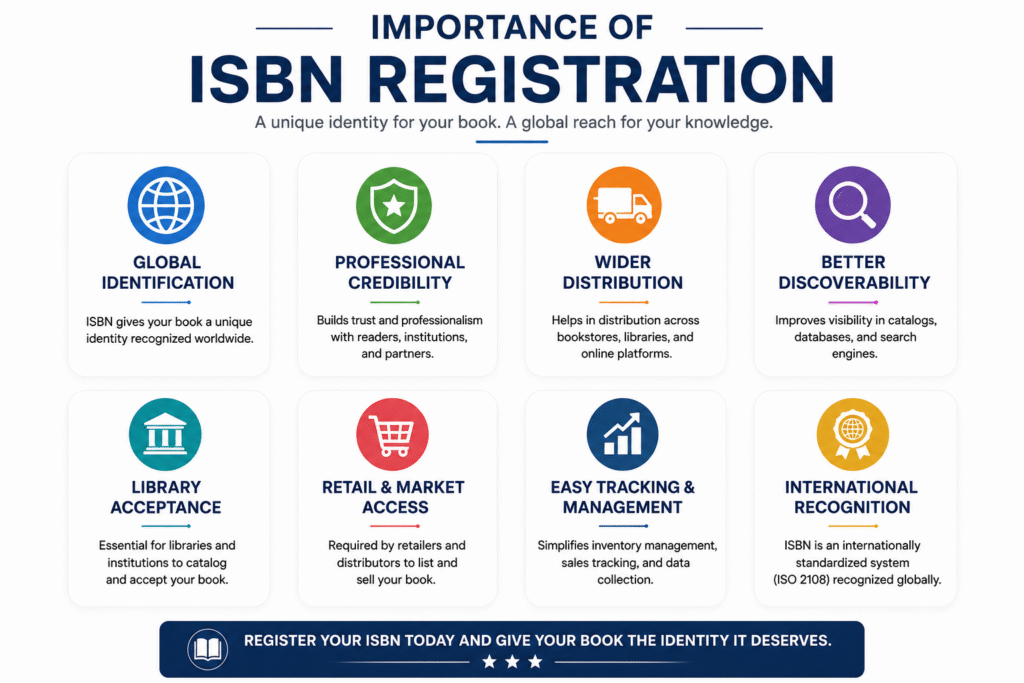
ISBN registration is essential in professional academic textbook publishing. ISBN, or International Standard Book Number, acts as a unique identity for books and helps libraries, distributors, and retailers catalog publications efficiently.
Books without ISBNs often face limitations in distribution and institutional acceptance. Universities, online bookstores, and academic databases generally prefer properly registered books because ISBNs simplify tracking and global discoverability.
The International ISBN Agency explains that ISBN registration supports global identification and distribution standards for books. Professors can also obtain assistance through AGPH ISBN Services for registration, barcode generation, and publishing documentation.
Digital Publishing and Global Distribution
The rise of digital education has transformed academic publishing dramatically. E-books and online learning platforms now play a major role in educational accessibility. Universities increasingly use digital textbooks because they reduce costs and improve accessibility for students worldwide.
Academic authors can distribute textbooks through university libraries, online repositories, educational marketplaces, and global platforms. Open-access publishing has also gained popularity because it improves research visibility and educational reach. Research proposals on modern publishing systems suggest that open and community-driven publishing models may improve accessibility, transparency, and affordability in academic publishing.
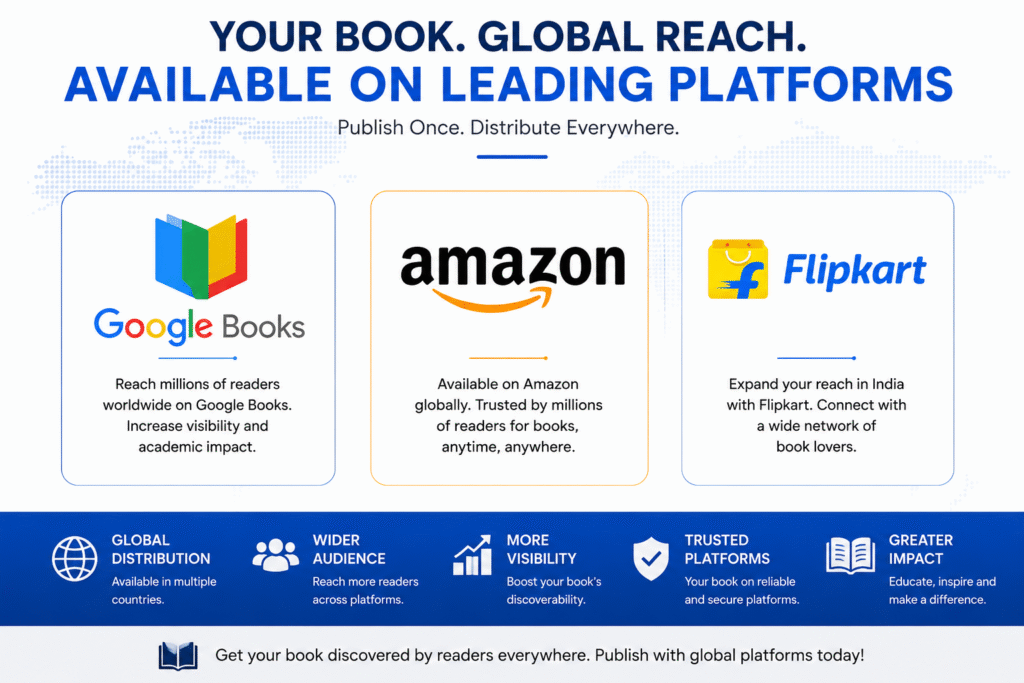
Services such as AGPH Ebook Publishing Services and AGPH Distribution Services help professors publish textbooks globally across print and digital channels.
Marketing Academic Textbooks
Even high-quality textbooks require promotion. Effective marketing increases discoverability among students, educators, and institutions. Professors should build professional visibility through academic networking platforms, research databases, LinkedIn, institutional collaborations, and educational conferences.
Search engine optimization has also become an important part of academic textbook publishing. Optimized book titles, keyword-rich descriptions, and educational content marketing help textbooks rank better in search results and attract a wider audience.
Digital academic communities like Academia.edu and scholarly indexing platforms improve visibility and academic engagement worldwide.
Conclusion
The landscape of academic textbook publishing continues to evolve as digital learning and global education expand rapidly. Professors now have more opportunities than ever to publish educational content, share research expertise, and contribute meaningful academic resources to students worldwide.
From manuscript preparation and editing to ISBN registration, formatting, printing, marketing, and distribution, every stage of publishing plays an important role in building a successful academic textbook. With professional publishing support, professors can simplify the process while maintaining high academic standards.
Educators who want to publish professionally can explore services from AGPH Books to transform academic manuscripts into globally distributed educational publications.