

Key Takeaways
- Research book publishing helps preserve and share scholarly knowledge for future generations.
- Publishing a research book enhances academic credibility, visibility, and career growth.
- Research books support teaching, curriculum development, and evidence-based learning.
- Professional publishing services improve quality through peer review, editing, and distribution.
- Digital publishing and open-access models are expanding the global reach of academic research.
- Choosing the right publishing partner is crucial for maximizing impact and discoverability.
In today’s knowledge-driven world, research plays a vital role in advancing education, innovation, and societal development. Every year, researchers, professors, and scholars generate valuable findings that can influence policies, improve teaching methods, and inspire future studies. However, research can only create meaningful impact when it is effectively shared with the academic community and the wider public.
This is where research book publishing becomes essential. Unlike journal articles that often focus on specific findings, research books provide comprehensive insights, detailed analyses, and long-term scholarly value. They allow authors to present complex ideas in depth while contributing to academic discourse and educational development.
Whether you are a researcher, university faculty member, or doctoral student, understanding the importance of research book publishing can help you maximize the reach and influence of your work.
What Is Research Book Publishing?
Research book publishing is the process of preparing, reviewing, producing, and distributing scholarly books that present original research, academic studies, and evidence-based knowledge.
Research books may include:
- Academic monographs
- Edited research volumes
- Scholarly textbooks
- Conference proceedings
- Interdisciplinary research collections
Unlike traditional journal publishing, research books allow authors to explore a subject in greater depth, offering readers a comprehensive understanding of complex topics.
Organizations such as Springer Nature and Wiley have played a significant role in advancing scholarly publishing worldwide.
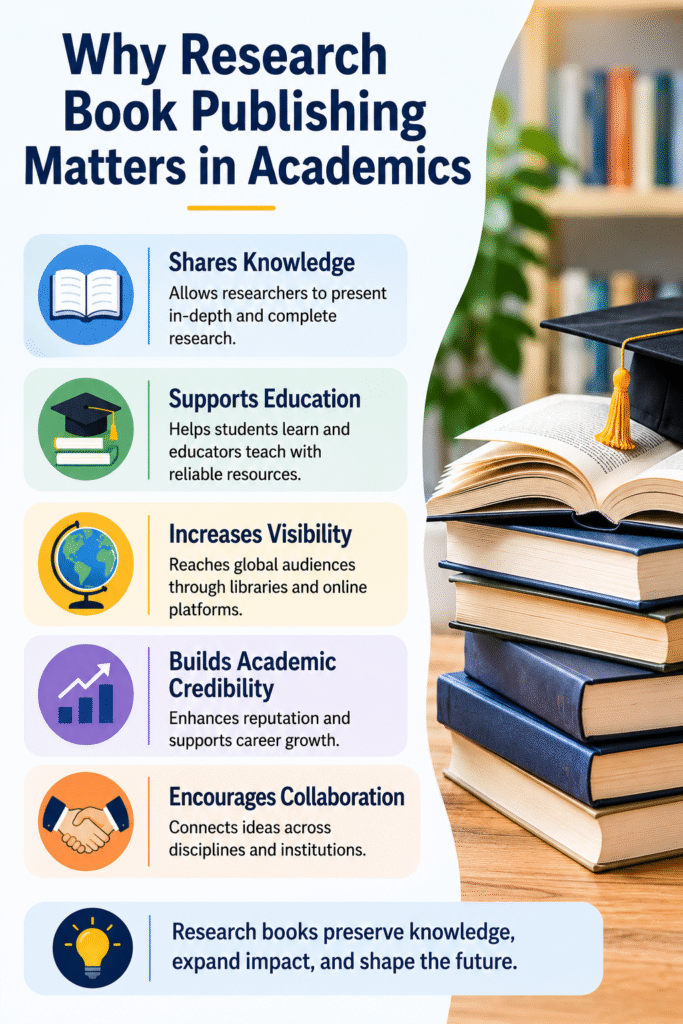
Why Research Book Publishing Matters in Academics
How Research Book Publishing Supports Education
Quality education depends on access to reliable and research-backed information. Research books support this by providing valuable knowledge, helping students learn more effectively and enabling educators to teach with accurate and up-to-date resources.
Enhancing Learning Materials
Research books provide detailed explanations, case studies, and critical analyses that support classroom instruction. They often become foundational references for undergraduate, postgraduate, and doctoral programs.
Bridging Research and Teaching
Many educators use research books to connect academic discoveries with practical learning experiences. This helps students understand how theoretical concepts apply to real-world situations.
Encouraging Critical Thinking
Scholarly books expose learners to diverse perspectives and methodologies, encouraging deeper analysis and independent thinking.
Organizations such as UNESCO consistently emphasize the importance of accessible educational resources in strengthening global learning systems.
The Research Book Publishing Process
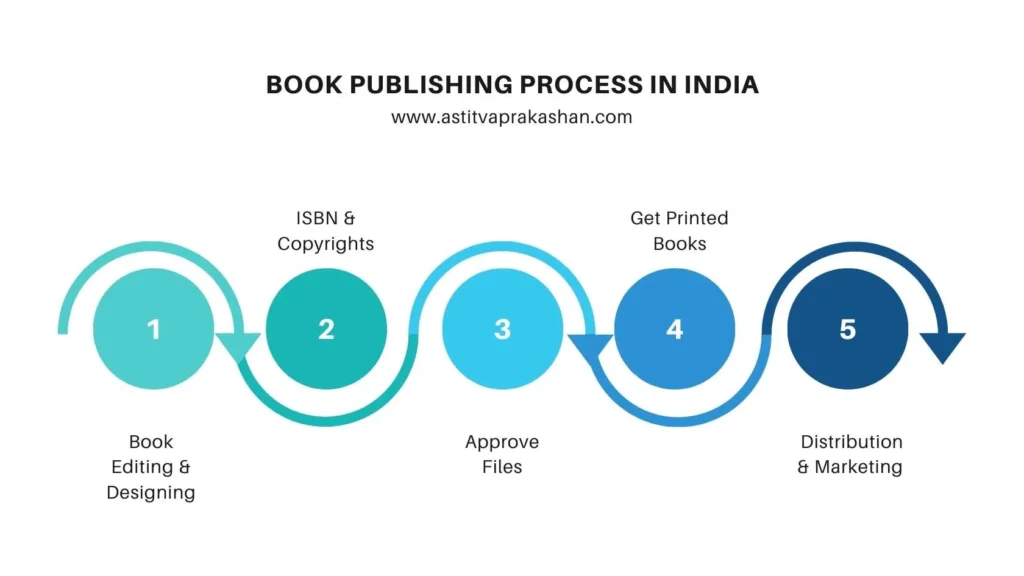
Successful research book publishing typically involves several important stages:
Manuscript Preparation
Authors organize their research into a structured manuscript that follows academic standards and publisher guidelines.
Peer Review
Subject experts evaluate the content for accuracy, originality, and scholarly value. Peer review enhances credibility and quality.
Editorial Development
Editors refine the manuscript, improve clarity, and ensure consistency throughout the publication.
Production and Design
The book undergoes formatting, typesetting, cover design, and ISBN registration.
Distribution and Promotion
Publishers distribute books through libraries, academic databases, online bookstores, and institutional networks.
Organizations such as Crossref help improve discoverability by supporting persistent scholarly identifiers and citation infrastructure.
Benefits of Research Book Publishing for Researchers
Publishing a research book offers numerous professional advantages.
Increased Academic Visibility
A published book allows researchers to reach audiences beyond their immediate field, increasing recognition and citation opportunities.
Establishing Expertise
Books demonstrate a deep understanding of a subject area and position authors as thought leaders within their disciplines.
Building Research Networks
Research books often lead to:
- Conference invitations
- Collaborative projects
- Speaking opportunities
- International academic partnerships
Long-Term Scholarly Contribution
Unlike many short-form publications, books can remain influential for decades and continue generating academic value over time.
Digital Transformation in Research Book Publishing
Technology has transformed how scholarly content is published and accessed.
Open Access Publishing
Open-access models make research books available to readers without subscription barriers. This significantly increases accessibility and global reach.
Directories such as Directory of Open Access Journals (DOAJ) support the broader movement toward accessible scholarly communication.
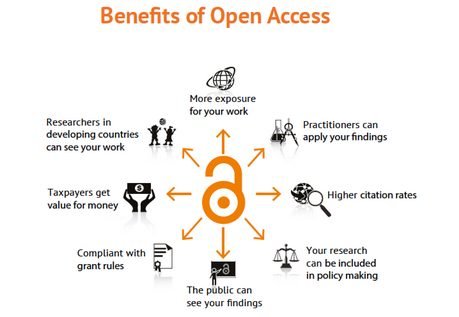
Source-https://guides.library.aku.edu/ke/openaccessjournalpublishing/benefits
Digital Libraries and E-Books
Digital formats allow students, researchers, and institutions worldwide to access academic content instantly.
Researcher Identification Systems
Platforms like ORCID help authors connect their publications to unique researcher profiles, improving visibility and attribution.
Global Knowledge Sharing
International organizations including OECD and World Health Organization (WHO) frequently rely on published research to support evidence-based decision-making and policy development.
Best Practices for Successful Research Book Publishing
To maximize the impact of your publication:
- Clearly define your target audience.
- Follow publisher submission guidelines carefully.
- Maintain strong citation and referencing standards.
- Invest in professional editing and proofreading.
- Ensure originality and academic integrity.
- Promote your book through academic networks and conferences.
- Create and maintain a researcher profile through platforms like ORCID.
- Collaborate with reputable academic publishers such as pothi or AGPH BOOKS when appropriate.
Conclusion
The importance of research book publishing extends far beyond simply producing a book. It serves as a powerful tool for preserving knowledge, advancing education, supporting scholarly communication, and increasing the visibility of valuable research.
For researchers, publishing a scholarly book can strengthen academic credibility, open new professional opportunities, and create a lasting contribution to their field. For educators and students, research books provide reliable, in-depth resources that support teaching, learning, and innovation.
As digital technologies continue to expand access to scholarly content, research book publishing will remain a cornerstone of academic growth, knowledge sharing, and educational excellence worldwide.