
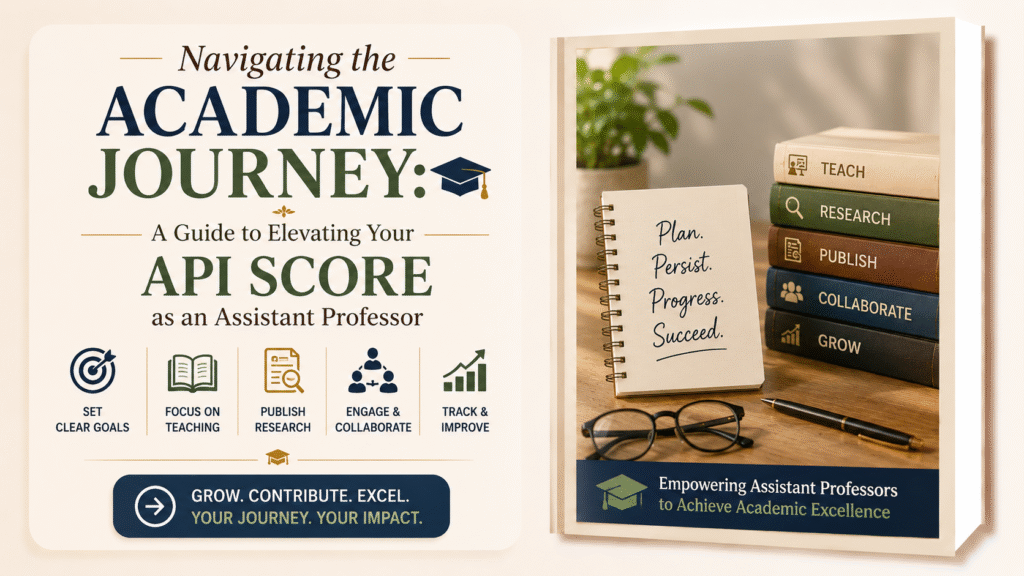
The life of an assistant professor is often a constant balancing act. Between preparing lectures, guiding students, attending meetings, conducting research, publishing papers, and handling administrative responsibilities, academic professionals are expected to excel in multiple areas simultaneously. Amid all these responsibilities, one term consistently shapes career progression in higher education institutions, the API score.
For many educators, the API score for assistant professor positions is more than just a numerical evaluation system. It directly influences promotions, professional recognition, institutional credibility, and long-term academic success. However, understanding how the system works and learning how to improve API score effectively can feel confusing, especially for early-career faculty members.
The pressure to maintain strong academic records while managing everyday teaching responsibilities often creates stress and uncertainty among assistant professors. Many educators work tirelessly but still struggle to achieve the desired academic performance indicator targets required for promotions and institutional evaluations.
Understanding the Importance of the Academic Performance Indicator
The Academic Performance Indicator (API) system is used by universities and colleges to evaluate faculty performance in areas like teaching, research, publications, seminars, and professional development. For assistant professors, the API score plays an important role in promotions and career growth. Although many educators find the system complex at first, it actually encourages balanced academic development by motivating faculty members to contribute beyond classroom teaching through research, innovation, and institutional activities.
Understanding API Score Calculation
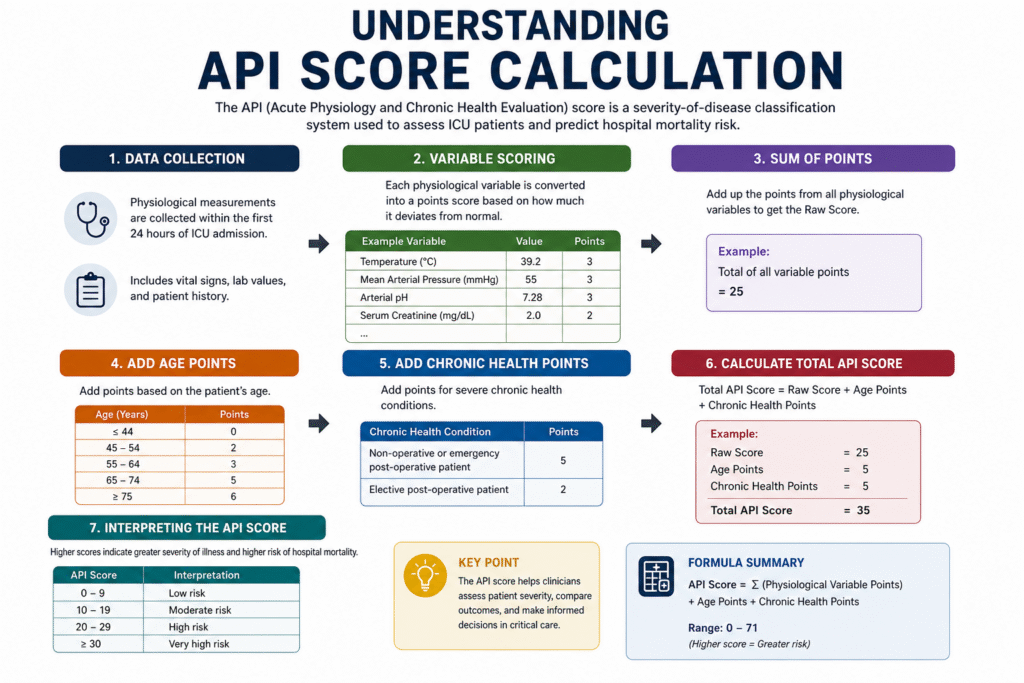
One of the biggest challenges many educators face is understanding API score calculation clearly.
The calculation process generally includes several categories such as:
teaching activities, research publications,conference participation,
faculty development programs, student mentoring, administrative duties,
and academic contributions.
Each institution may follow slightly different evaluation methods based on UGC API guidelines and university regulations, but the overall purpose remains similar, measuring the quality and impact of an educator’s professional work.
Teaching performance often includes lecture hours, curriculum development, innovative teaching methods, and student engagement activities. Research contributions are evaluated through published papers, books, patents, conference presentations, and citations. Participation in workshops, seminars, and faculty development programs also contributes positively toward the final API score.
Understanding how these categories work allows assistant professors to plan their academic activities strategically instead of working without direction.
Research Publications and Their Impact on API Score for Assistant Professor
Research publications play a major role in improving the API score for assistant professor promotions. Publishing quality research papers in peer-reviewed and reputed journals strengthens both academic credibility and professional recognition. Although academic research publishing may seem challenging initially, focusing on high-quality research, selecting the right journals, and collaborating with experienced researchers can improve publication success and long-term academic growth.
The Role of Faculty Development Programs in Academic Growth
Continuous learning is essential in modern higher education.
This is why participation in faculty development programs has become increasingly important for educators aiming for higher education career advancement. FDPs, workshops, online certifications, seminars, and training programs help assistant professors improve subject knowledge, teaching methods, research skills, and technological adaptability.
Educational institutions now expect faculty members to stay updated with changing academic trends, digital learning tools, and innovative teaching practices. Participation in professional development activities demonstrates commitment toward academic improvement and lifelong learning.
More importantly, these programs positively contribute toward the API score calculation process and strengthen professional credibility.
Assistant professors who regularly participate in FDPs often develop stronger teaching confidence, improved research capabilities, and broader academic exposure.
Teaching Excellence and Student Engagement
Teaching quality is an important part of the academic performance indicator system. Modern education focuses on student engagement, interactive learning, mentorship, and innovative teaching methods. Assistant professors who use digital tools, discussions, case studies, and personalized guidance not only improve their API scores but also create meaningful learning experiences. Strong teaching skills remain essential for long-term assistant professor career growth.
Academic Networking and Collaboration
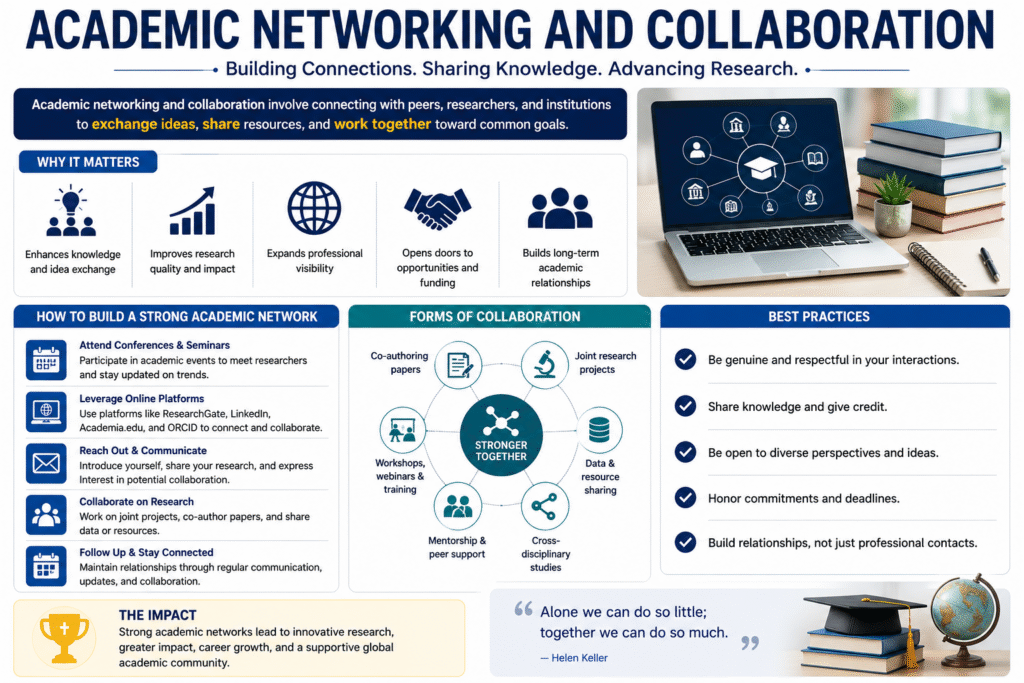
Networking is not simply about career growth it is about becoming part of a broader academic ecosystem focused on learning and innovation.
Academic success is strongly connected to networking and collaboration. Attending conferences, participating in research projects, and engaging with academic communities help educators build professional connections and discover new research opportunities. For assistant professors, strong academic networking supports higher education career advancement, improves visibility, and opens doors to collaborations, research grants, and leadership opportunities.
Understanding UGC API Guidelines and NAAC API Score
One important responsibility for assistant professors is staying updated with institutional policies and academic regulations.
Understanding UGC API guidelines and NAAC API score systems helps educators align their professional activities with promotion requirements and institutional expectations.
Many faculty members lose valuable opportunities simply because they are unaware of changing academic regulations or documentation requirements. Universities regularly update evaluation policies related to research publications, teaching standards, and professional development criteria.
Remaining informed about policy changes helps assistant professors make better academic decisions and maintain organized records for evaluation purposes.
Awareness and documentation are essential parts of successful academic career management.
Common Mistakes That Affect API Scores
Many educators work extremely hard but still struggle with API-related challenges because of avoidable mistakes. One common issue is inconsistent documentation. Faculty members often participate in workshops, conferences, or academic activities but fail to maintain proper records and certificates required during evaluations.
Another challenge is poor research planning. Publishing without selecting quality journals or focusing on impactful research topics can reduce academic value. Some assistant professors also underestimate the importance of faculty development programs and professional networking opportunities, focusing only on classroom responsibilities. Balancing teaching, research, and professional development requires planning, consistency, and long-term vision.
Practical Strategies for Long-Term Academic Success
Improving your API score should never be viewed as a short-term race for numbers. Sustainable academic growth comes from consistent professional development, meaningful research contributions, quality teaching, and active engagement with the academic community.
Setting realistic yearly goals can help assistant professors maintain balanced progress. Instead of trying to achieve everything at once, educators should gradually build strong academic habits through:
research planning,continuous learning,publication consistency,conference participation,and teaching innovation.
Time management is equally important. Balancing teaching duties with research and professional activities requires discipline and structured planning.
Most importantly, assistant professors should remember that long-term academic success is built through persistence rather than perfection.
Conclusion
The journey toward improving your API score for assistant professor positions is not simply about meeting promotion criteria. It is about becoming a more impactful educator, researcher, mentor, and academic professional.
Every lecture delivered, every research paper published, every workshop attended, and every student guided contributes toward your larger academic journey. While the pressure of API evaluations can sometimes feel overwhelming, consistent efforts and strategic planning can gradually create meaningful academic growth.
Understanding how to improve API score begins with recognizing that true academic success is built through continuous learning, quality contributions, and professional dedication.
Higher education is constantly evolving, and educators who adapt, grow, and remain committed to academic excellence will continue creating lasting impact within institutions and beyond.
Looking for academic publishing, research assistance, or professional educational support? Visit AGPH Books to explore expert academic and publishing services for researchers and educators.